

EESL refers to the UAE energy-efficiency labeling framework used for regulated electrical appliances.Under MoIAT’s current service model, companies apply for a product efficiency card that shows the energy-efficiency level of eligible products. The service card states that these labels are issued for electrical appliances, while the same service family also covers environmental performance labels for water-saving appliances and paints. In practical terms, EESL is an important compliance step for products that are already approved through the UAE conformity system and are then required to carry the appropriate efficiency label before sale or circulation in the local market.
For businesses active in Dubai, Abu Dhabi, Sharjah, Ajman, Ras Al Khaimah, Fujairah, Umm Al Quwain, and the wider UAE market, EESL supports lawful market entry, product transparency, customs and distribution readiness, and buyer confidence. It is especially relevant where energy-efficiency declarations influence consumer choice, product listing, and regulatory acceptance.
Why EESL Matters for Dubai, Abu Dhabi and the UAE Market
EESL matters because it connects product conformity with visible efficiency information. For importers and distributors, this helps reduce compliance risk and supports smoother market access. For consumers and procurement teams, it makes product comparison easier and improves confidence in the declared energy performance of the product. For manufacturers and brand owners, it strengthens product credibility in a market that increasingly values safety, sustainability, and resource efficiency.
EESL is also highly relevant from an SEO and commercial perspective because companies searching for “EESL in UAE”, “energy label in Dubai”, “MoIAT energy efficiency label Abu Dhabi”, or similar keywords are typically looking for practical help with approvals, documentation, and market access. A strong EESL compliance route can support product launches across retail, e-commerce, distributor networks, and project supply channels throughout the Emirates.
Which Products Commonly Need EESL?
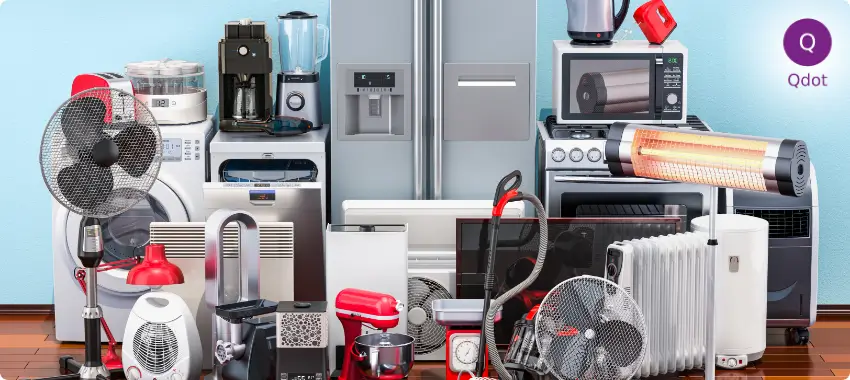
MoIAT’s regulated-products requirements sheet identifies internal performance test reports for EESL products such as room air conditioners, refrigerators, chillers and freezers, clothes washing machines, clothes dryers, dishwashers, rotodynamic pumps, and televisions. In the UAE market, these are the product groups most commonly associated with EESL and energy-efficiency label requirements.
- Room air conditioners and certain central / commercial air-conditioning categories
- Refrigerators, chillers, and freezers
- Clothes washing machines and clothes dryers
- Dishwashers
- Rotodynamic water pumps
- Televisions and display-related consumer appliances where covered by the technical route
- Related categories that may require water or environmental performance labels under the same MoIAT service family
Because the UAE conformity system is product-specific, the exact applicability should always be checked against the current technical regulation, approved standard, and product scope. This is one of the key areas where professional consultancy support adds value.
Who Needs EESL Services?
EESL services are relevant to manufacturers, importers, distributors, private-label brand owners, online sellers, wholesalers, and supply-chain companies dealing in regulated appliances in the UAE. The official service card lists industrial establishments and supply and distribution companies among the target audience. Overseas manufacturers supplying products into the UAE often work through local importers, distributors, or authorized representatives to complete the approval and labeling process.
Main Requirements for EESL Approval
At the label-issuance stage, MoIAT requires a valid conformity certificate in the same profile before a company can apply for a product efficiency card. This means the product must first complete the underlying conformity path, usually through ECAS or, where applicable, a National Conformity Mark route. Once that condition is met, the applicant can log into the MoIAT digital platform, apply for the service, pay the applicable fee, and receive the labels.
At the underlying conformity stage, the typical technical file for covered EESL products may include a valid UAE trade or industry license, accredited test reports, IEC CB reports and certificates for applicable electrical products, PID / product identity declaration where model references differ, rating-plate or label photographs, Arabic and English user manuals, evidence of correct plug configuration where relevant, internal performance test reports for EESL product groups, and RoHS compliance evidence for products falling under the UAE RoHS regulation.
| Stage | Typical Documents / Evidence |
|---|---|
| Label issuance stage | Valid conformity certificate, MoIAT profile details, product efficiency card application details, RFID vendor selection where applicable, model details, quantity, and rating information. |
| Underlying conformity stage | Trade license, accredited test reports, IEC CB reports/certificates for applicable products, PID if needed, rating-label / nameplate photos, Arabic & English manual, plug-compliance evidence where relevant, internal performance test report for covered EESL products, and RoHS compliance evidence for products within RoHS scope. |
| Supporting business documents | Manufacturer authorization, brand authorization, invoice / packing details, model list, and any additional documents requested by the notified body or MoIAT based on product type. |
How the EESL Process Usually Works
- Confirm whether the product falls within the UAE technical regulation and EESL-related product scope.
- Complete the underlying conformity approval route and obtain the UAE Conformity Certificate or National Conformity Mark, as applicable.
- Prepare the technical and commercial file, including test evidence, manuals, product photos, declarations, and product identity details.
- Log into the MoIAT digital platform and apply for the product efficiency card under the correct profile.
- Pay the applicable service fee and obtain the label card / efficiency labels.
- Affix the approved label correctly and maintain compliance for products being imported, marketed, or distributed in the UAE.
MoIAT describes the product efficiency card service as an instant service once the prerequisite conformity certificate exists. In practice, overall project timing depends more on the conformity stage, document readiness, laboratory evidence, and product-specific technical review than on label issuance alone.
Qdot Methodology for EESL Projects
Qdot’s role is to help businesses move through the EESL route with better structure, fewer avoidable delays, and stronger documentation control. Our methodology is designed for importers, manufacturers, traders, and distributors who need a practical route to compliance in Dubai, Abu Dhabi, Sharjah, and across the UAE.
- Initial product screening to confirm scope, technical route, and likely EESL applicability.
- Gap analysis of available test reports, manuals, labels, declarations, and model documentation.
- Coordination on underlying conformity requirements before the label stage.
- Review of energy-performance evidence, product identity details, and supporting technical documents.
- Submission support and follow-up with the relevant service route and stakeholders.
- Guidance on post-approval actions, label application, renewals, portfolio expansion, and new-model onboarding.
Why Choose Qdot for EESL Services in UAE?
Businesses choose Qdot because EESL projects are rarely just a simple online submission. The real challenge is usually determining scope correctly, preparing the right supporting file, coordinating the conformity route, and avoiding document mismatches that delay approvals. Qdot provides practical support for the entire process, from product review and gap analysis to approval coordination and label-stage support.
- Experience with UAE product conformity and market-access pathways
- Practical support for ECAS / national-mark linked routes that lead into EESL label issuance
- Clear communication for importers, distributors, and overseas manufacturers
- Structured handling of multi-model and multi-brand applications
- Commercially focused support that helps businesses launch products faster and with less compliance uncertainty
Current Regulatory Update
In April 2025, MoIAT announced updated designs for 12 national conformity marks and efficiency labels, including the Energy Efficiency Label for Electrical Appliances, the Water Efficiency Label, and the Environmental Performance Label for Paints and Varnishes. The ministry stated that companies have a transition period of up to 12 months for products already in local markets and 6 months for imported products. For businesses active in the UAE, this makes it especially important to check current label formats and implementation timing during new approvals or renewals.
FAQ's
EESL is commonly used to describe the UAE energy-efficiency labeling framework for regulated electrical appliances. The label is issued through MoIAT’s product efficiency card service once the product already holds the required conformity approval.
No. ECAS or another qualifying conformity route generally comes first. EESL is the efficiency-label stage that follows for covered products.
Common examples include room air conditioners, refrigerators, chillers and freezers, washing machines, dryers, dishwashers, rotodynamic pumps, and televisions, depending on the applicable UAE regulation and scope.
If the imported product falls within the covered UAE scope and requires an efficiency label, then yes. This applies regardless of whether the product is distributed in Dubai, Abu Dhabi, Sharjah, or any other emirate.
MoIAT describes the product efficiency card service as instant once a valid conformity certificate exists. The total project time depends on how long the conformity stage, documentation review, and testing take.
Qdot first checks whether the product is in scope, which conformity route applies, and whether the available technical file is strong enough to proceed without avoidable delays.